
Shopify email marketing setup – automated flows that bring customers back
Paying for traffic only to see customers buy once and disappear makes it hard to keep a Shopify store profitable. A proper Shopify email marketing setup sends the right message at the right moment: right after sign-up, when someone leaves items in the cart, and when it is time to buy again. This page covers how to choose between Shopify Email and Klaviyo, which flows to build first and what matters when your customers are in Japan.
- Free demo – decide after you see it
- By message, in Japanese or English
- One person from demo to launch
FREE DEMO
Automated emails for your store – free demo
Send us your Shopify store address. We build free demo email templates in your brand style, plus a plan for welcome, abandoned cart and repeat-purchase flows.
- Email templates in your brand style
- Check how they look on a phone
- A clear pick: Shopify Email or Klaviyo
The three automated flows to set up first
Much of the revenue from Shopify email marketing comes from automated flows triggered by what customers do. You build a flow once and it keeps working every day, which matters most for small stores. Start with these three:
- Welcome series: sent right after someone joins your list or creates an account. Two or three emails that introduce your brand story, best sellers and how to get the most out of a first purchase
- Abandoned cart: a reminder with product images a few hours after a cart or checkout is left, and another the next day. Adding shipping and return details often settles the last doubts
- Repeat purchase: a thank-you after the order, tips on using the product, a reorder reminder for consumables, and a win-back email for customers who have gone quiet
With these three running, you reach new subscribers, shoppers on the fence and existing customers. Seasonal sales and launch announcements can sit on top as campaigns.
Shopify Email or Klaviyo: how to choose
There are two common ways to send email from Shopify: the official Shopify Email app and Klaviyo, a dedicated email platform. Both connect to your customer and order data and support automations such as welcome and abandoned cart flows.
- Shopify Email: runs inside the Shopify admin and pulls in your products and store design. A monthly allowance of emails is free, then you pay per email. A good place to start
- Klaviyo: detailed segments by order count, viewed products or last purchase date, plus branching flows and A/B tests. Pricing is mainly based on the number of contacts. The interface is mostly in English
- Rule of thumb: a smaller customer base and a need to get the basics right points to Shopify Email. If repeat orders are the core of your revenue and you want product-specific messages, look at Klaviyo
Pricing and free tiers change from time to time, so check each service's current pricing page before you commit. You can move from Shopify Email to Klaviyo later, so the first choice does not have to be final.
Tell us your product range and customer numbers and we will recommend one along with the demo. Start by sending your store address.
What matters when your customers are in Japan
Tools built for Western markets can trip up Japanese emails in small but costly ways. Check these points before you send:
- Japan's Act on Specified Electronic Mail: marketing emails generally require prior opt-in consent, and each email must show the sender's name, contact details and a clear way to unsubscribe
- Domain authentication: set up SPF, DKIM and DMARC on your own domain. Gmail and Yahoo require authentication from bulk senders, and unauthenticated mail is far more likely to land in spam
- Subject line and preview text: phones show only the start of a subject, so put the key words first and use the preview text to add detail
- Readable Japanese: English templates often feel cramped in Japanese. Adjust line height and line length, and avoid image-only emails
- Sender name and honorifics: use your brand name consistently, and test how the "{name}様" greeting looks when a name is missing
Interpretations of the rules can change, so check the latest guidance from Japan's Ministry of Internal Affairs and Communications and the Consumer Affairs Agency when in doubt. Many Japanese customers prefer LINE for quick updates; see LINE and e-commerce integration for how to split roles between LINE and email.
What the free demo gives you
- 01A working demoA demo site you can open and click through on a computer and a phone.
- 02A structure proposalWhich pages you need, what goes on each and where visitors get in touch.
- 03Plan and estimateAfter you have seen the demo you get the plan to launch and an estimate.
Why it is safe to ask
- The demo is free. If you decide not to go ahead, it costs you nothing.
- Everything happens by message, in Japanese or English.
- Your domain, hosting, ad and analytics accounts stay in your name.
- The founder handles your project from the first demo to growth after launch – one contact all the way.
Demo sites we built
 Café & roastery – KashtanMenu, events and an online bean shop
 Beauty salon – MIRTABooking form, price list and team
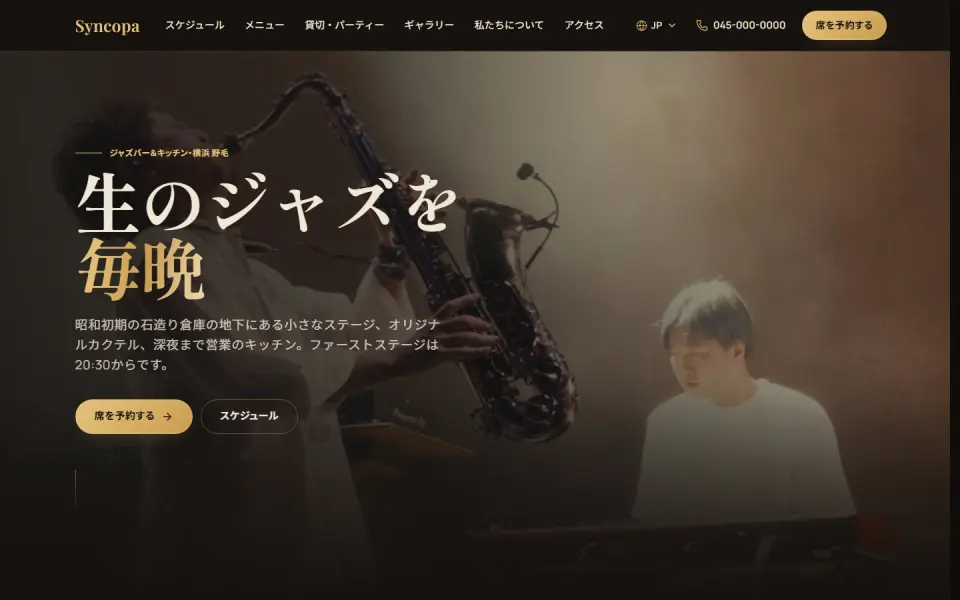 Jazz bar – SyncopaLive schedule, menu and table booking
Template demos with fictional brands. Yours is built with your own brand and content.
How to get started and what to prepare
For a small store, going from tool choice to the first live flows typically takes two to four weeks. Working in this order keeps rework low:
- Create sign-up points: add a newsletter field in the footer and at checkout, with clear consent wording
- Set up your sending domain: authenticate your domain and decide the sender name and reply-to address
- Build a template: match your logo, colors and type size, and make one layout that reads well on a phone
- Launch the flows: welcome, abandoned cart, then post-purchase, with test sends to check layout and personalization
- Review the numbers: once a month, look at open rate, click rate and flow revenue, then adjust subject lines and timing
It helps to have ready: your logo files, best-selling and seasonal products, shipping and return terms, and any emails you have sent before. If you sell subscriptions, retention emails are closely tied to the ideas in subscription e-commerce.
We build free demo welcome and abandoned cart emails from your current store.
Common Shopify email mistakes
When email is live but sales do not move, the cause is usually a small gap in setup or upkeep.
- Sending only sale announcements, which trains customers to wait for discounts
- Adding a discount to every abandoned cart email and eroding margins
- Leaving flows untouched, so discontinued products or old shipping rates keep appearing
- Hitting the same customer with campaign and flow emails on the same day
- Hiding the sign-up field so the list barely grows
Email is one part of what drives store revenue. For a wider review that includes traffic and product pages, see how to increase e-commerce sales.
How UNANOBO sets up Shopify email: a free demo first
Before you commit to anything, UNANOBO builds a free demo: email templates and a flow plan based on your current store and brand. You see how the welcome and abandoned cart emails will look on a computer and a phone, then decide whether to go ahead.
The process is simple: free demo, feedback, launch, growth. The founder handles every project personally, from choosing the tool and building the flows to reviewing the numbers after launch, so you keep one contact throughout. We recommend Shopify Email or Klaviyo based on your product range and customer base. Everything runs by message, in Japanese or English.
How it works
- 01
Free demo
We start with a free demo built around your brand.
- 02
Feedback
Structure, tone and details are refined with you, on the demo itself.
- 03
Launch
The site goes live on a solid SEO foundation.
- 04
Growth
SEO and ads take it further, guided by the numbers.
FAQ
What does the free demo include?
Welcome and abandoned cart email templates built with your logo, colors and products, plus a plan for the three core flows. You can check how they look on mobile. You decide whether to continue after seeing it.
Is there any cost if I decide not to go ahead?
No. The demo is free and there is no obligation to order afterwards. You are welcome to use the flow plan as a reference for your own setup.
Is it worth starting with a small email list?
Yes. Abandoned cart and post-purchase emails work with every order and visit, whatever the size of your list. Having the system in place early means growth in sign-ups turns into results straight away.
Can we move from another email tool?
Yes. Customer lists can be migrated after checking consent status, and parts of your current design and copy can be carried over. The switch is timed so nobody receives duplicate emails during the move.
What do we need to prepare, and how much of our time will it take?
Collaborator access to your Shopify admin, your logo files and your shipping and return terms are enough to start. We draft the email copy, so your part is reviewing it and sending back any changes.
You work remotely – how does communication run?
Everything runs by message, in Japanese or English, and replies come within two business days. Your Shopify and Klaviyo accounts stay in your own name.
Related pages
FREE DEMO
See emails that fit your brand first
Send us your store address and we will build free demo email templates and a flow plan. Decide after you have seen them.