
Performance Max campaign management – set the foundations, then let it learn
Performance Max runs your Google Ads across Search, Shopping, YouTube, Display, Gmail and Maps from a single campaign. Because so much is automated, the quality of what you feed it – and the page people land on – decides most of the result. This page walks through the settings that matter, how to structure asset groups and your product feed, and how to keep spend under control with exclusions and budget rules.
- Free demo – decide after you see it
- By message, in Japanese or English
- One person from demo to launch
FREE DEMO
A better landing page for your PMax ads – free
Send us your site or store address. We build a free demo of an improved page for your Performance Max traffic and point out what to fix in your setup.
- A working demo of the page your ads lead to
- A proposal for your asset group structure
- Feed and exclusion fixes, clearly listed
Four foundations of Performance Max campaign management
In a Performance Max campaign, Google's AI chooses most placements and bids. You control fewer levers than in classic campaigns, and every one of them becomes training data. Start with these four.
- Conversion tracking: set only the outcomes you truly want – purchases, inquiries, bookings – as primary conversions. Counting page views or clicks teaches the AI to chase low-value actions
- Assets: headlines, descriptions, images, logos and video that state your strengths in concrete terms
- Feed: for online stores, the product data in Google Merchant Center. Accurate titles, prices, stock and images shape where and how you appear
- Landing pages: can a visitor from the ad move straight to a purchase or an inquiry?
Fixing tracking later restarts learning, so check that GA4 and your Google Ads conversion tags fire correctly before the campaign goes live.
When Performance Max is not delivering
"We switched to PMax and only the cost went up" is a familiar story. The cause is usually one of these:
- A large share of budget goes to searches for your own brand – people who would have come anyway
- Conversion goals are too broad, so the AI learns from actions that never lead to sales
- All products sit in one asset group and the message is blurred
- Feed titles are short and miss the words people actually search for
- Budgets and targets change every few days, so learning never settles
- The landing page is hard to use on a phone and visitors drop before checkout
Start with the campaign's Insights tab and the channel performance report to see which search terms and channels take your spend. For reading return on ad spend correctly, see ROAS improvement.
Send us your site address and we will show you an improved landing page in a free demo.
Setting up asset groups and the feed
Filling in the campaign form is enough to start serving. To get stable results, give each setting a clear purpose.
- Goal and bidding: start with Maximize conversion value for online sales or Maximize conversions for leads, then add a target ROAS or CPA once data builds up
- Asset group structure: split by product category, price range or margin – anywhere the message or target differs – and make sure headlines and images match that group
- Asset volume: fill headlines and descriptions close to the limit, add landscape, square and portrait images, and a short video if you can. Without one, Google generates a video automatically, so check it fits your brand
- Audience signals: add customer lists, site visitors and search terms. They are hints for the AI and do not restrict who sees the ads
- Search themes: add phrases that show what you are best at to guide learning on Search
- Feed optimization: put material, size and use case into product titles, and keep price and stock in sync with your site
For Merchant Center preparation and how products appear in Shopping slots, see Google Shopping ads. After setup, the usual practice is to leave the campaign largely untouched for a few weeks while it learns.
What the free demo gives you
- 01A working demoA demo site you can open and click through on a computer and a phone.
- 02A structure proposalWhich pages you need, what goes on each and where visitors get in touch.
- 03Plan and estimateAfter you have seen the demo you get the plan to launch and an estimate.
Why it is safe to ask
- The demo is free. If you decide not to go ahead, it costs you nothing.
- Everything happens by message, in Japanese or English.
- Your domain, hosting, ad and analytics accounts stay in your name.
- The founder handles your project from the first demo to growth after launch – one contact all the way.
Demo sites we built
 Café & roastery – KashtanMenu, events and an online bean shop
 Beauty salon – MIRTABooking form, price list and team
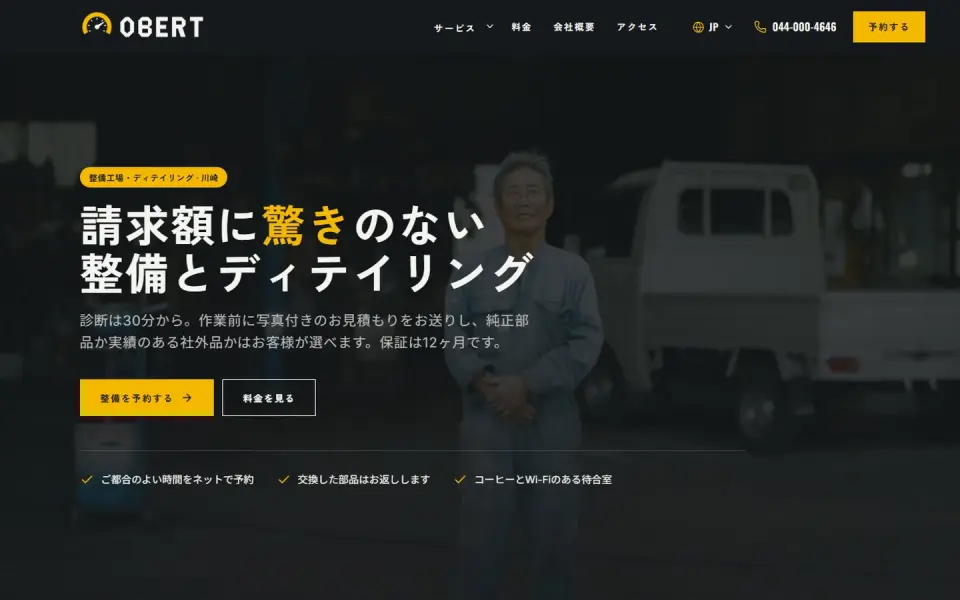 Car service – OBERTService and detailing prices, booking
Template demos with fictional brands. Yours is built with your own brand and content.
Negative keywords, exclusions and budget control
Performance Max is highly automated, yet it gives you several ways to decide where your ads should not run. These are your main tools for cutting wasted spend.
- Negative keywords: exclude terms like "free", "jobs", "used" or "DIY" that rarely convert. Google keeps expanding these controls, including at campaign level, so check what your account offers today
- Brand exclusions: if a separate Search campaign covers your brand name, exclude it from PMax to avoid paying twice
- Final URL expansion: exclude blog or news URLs that rarely convert, or turn expansion off
- Budget changes: adjust in gradual steps and judge weekend or sale swings over a full month
- New customer acquisition: combine the new customer setting with your customer lists if you want less spend on existing buyers
Review the search terms report weekly and add non-converting terms to your exclusion list. For the bigger picture of paid channels for online stores, see e-commerce advertising.
Alongside exclusions, see a free demo of a page built to turn ad clicks into sales and inquiries.
How UNANOBO manages Performance Max: ads and landing pages together
Performance Max results depend on both the campaign and the page people land on. UNANOBO handles conversion tags, Merchant Center and feed cleanup, asset group design, exclusions and budget pacing – together with improving the pages the ads point to.
We begin with a free demo: an improved product or landing page built from your current site or store, which you can click through on a computer and phone. The process is free demo, feedback, launch, growth, with the founder as your single contact throughout. Everything runs by message, in Japanese or English, and your Google Ads and Merchant Center accounts stay in your name.
How it works
- 01
Free demo
We start with a free demo built around your brand.
- 02
Feedback
Structure, tone and details are refined with you, on the demo itself.
- 03
Launch
The site goes live on a solid SEO foundation.
- 04
Growth
SEO and ads take it further, guided by the numbers.
FAQ
What does the free demo include?
A working improved version of the product or landing page your Performance Max ads lead to, built from your current content and brand, viewable on a computer and phone. We also suggest how to split asset groups and what to fix in your feed. The demo costs nothing.
What if I decide not to go ahead?
That is completely fine. You see the demo first and then decide. If you stop there, there is no charge.
Our PMax campaign is already running. Can you take it over?
Yes. We first review conversion settings, asset groups, and the search term and channel reports, then set an order of changes. Changes are made step by step, starting with the highest impact, so learning is not reset without reason.
How long until Performance Max shows results?
Typically the first few weeks are a learning period, and one to two months of data gives a fair basis for decisions. The timeline depends on budget and conversion volume. No specific sales or ROAS figures can be promised, but you get regular updates on progress.
What should we prepare, and can this work remotely by message?
Your site or store URL, read access to Google Ads and Merchant Center if you are already running ads, and a list of priority products are enough to start. Images or video you can use help with assets. Everything runs by message in Japanese or English, with replies within two business days, and you keep control of the account permissions.
Related pages
FREE DEMO
Improve Performance Max from the page up
Send us your site or store address and we will build a free demo of the page your ads should lead to. Decide after you have seen it.